Method / 01
Diagnose the work
Find the recurring work where AI can help without erasing the human contribution or hiding the risk.
P/P About Premise & Practice
AI work design for people and teams.
AI gave more people the ability to build. Most organizations still run on workflows, queues, and handoffs created around a different set of limits. We built Premise & Practice to help people question those assumptions and prove a better path in real work.
Being technical now includes identifying the right problem, defining the work clearly, setting human boundaries, and verifying whether the result holds up.
Premise & Practice exists to make that judgment practical. Now You're Technical is the publication and learning community that helps more people build it.
The work moves through the same three disciplines whether the starting point is an Audit, a Build Day, an advisory engagement, or a personal career question.
Find the recurring work where AI can help without erasing the human contribution or hiding the risk.
Define the outcome, inputs, quality bar, exceptions, and approval points before choosing the tool.
Test the result against representative examples, use it in real work, and improve what fails.
Close enough to the work to know where the tidy story breaks.
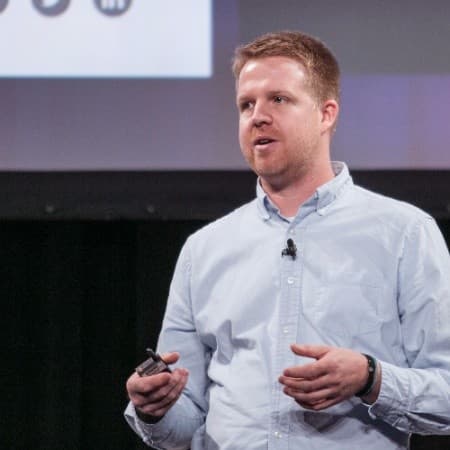
Rusty Walters has spent his career helping organizations rethink how work gets done. Across some of the world's biggest companies, he has worked at the intersection of business, technology, data, customer experience, and organizational change. His strength is recognizing consequential shifts early, then helping people translate them into practical changes in how they operate.
His work focuses on the difficult space between a new possibility and an organization's ability to act on it. That means questioning inherited assumptions, defining the right problem, redesigning the process around the work, and building systems that people can use in practice. He is especially drawn to moments when the old way no longer fits but the new way has not yet taken shape.
He founded Premise & Practice to help leaders and teams navigate those moments with greater clarity and conviction. AI is one of today's most important shifts, but the work is broader: seeing change before it becomes obvious, understanding what it makes possible, and building better ways for people and organizations to move forward.
Intel explains what is changing. Career X-Ray shows what changes for you. The Audit finds the work worth changing. Build Days turns one opportunity into a tested system. Executive Advisory helps leaders decide what earns the right to scale.
The work is practical, evidence-led, and designed for people who understand their domain even if they do not think of themselves as technical.
We will help you work out whether it belongs in an Audit, a Build Day, an advisory engagement, or somewhere else entirely.
Start a conversation ↗